Posted on October 19, 2026
Post categories: Architecture News Research Timber

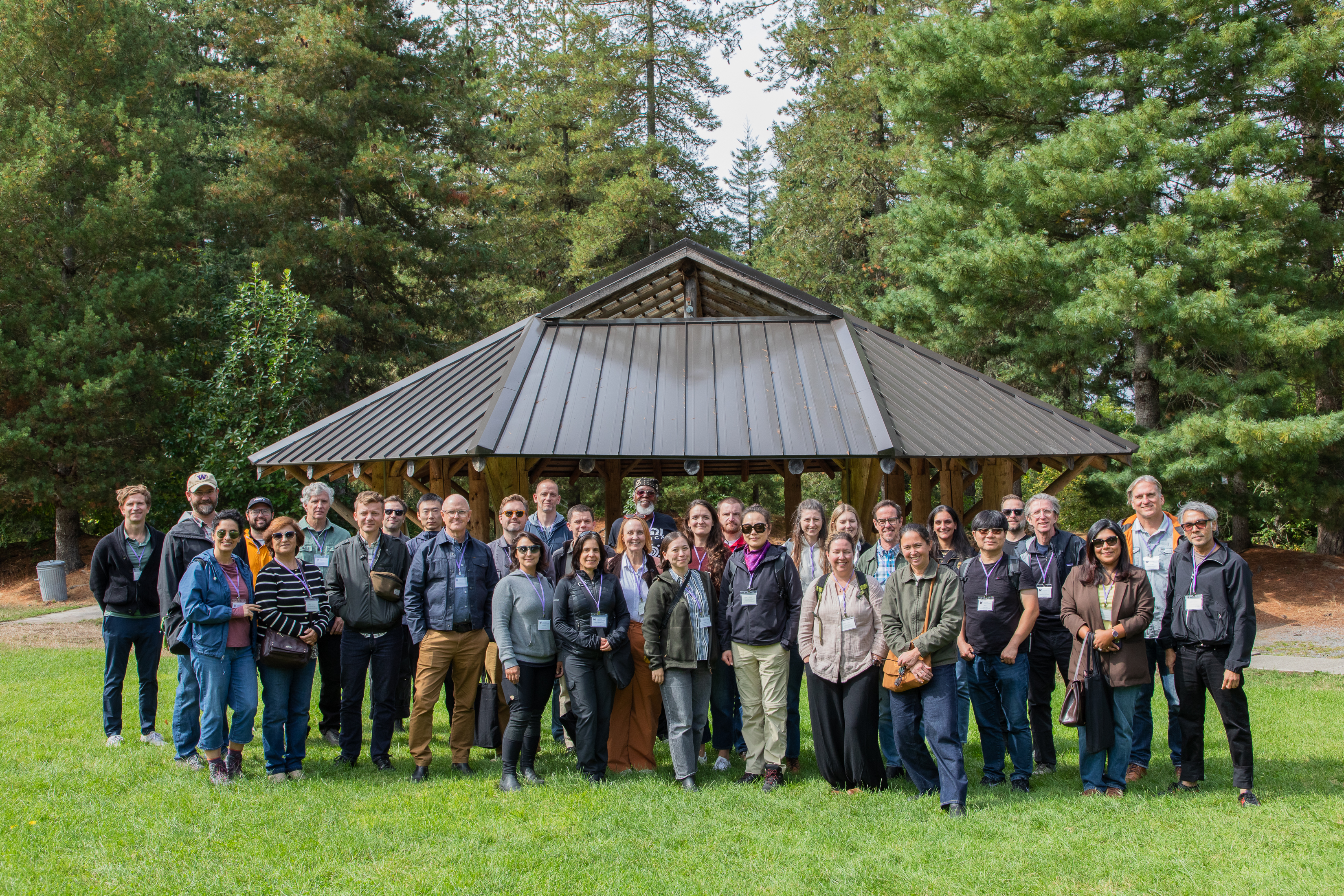
On October 15, approximately 40 architects, engineers, construction managers, foresters, timber producers and industry professionals gathered at the University of Washington to discuss the future of timber in the Pacific Northwest.
The gathering marked the launch of the University of Washington Center for Timber Innovation in the Built Environment and the inaugural meeting of the Washington Timber Forum, a new network that will convene twice annually to exchange ideas, identify research needs and explore opportunities for collaboration.
As the building industry works to reduce its carbon footprint and Pacific Northwest forests face growing pressures from climate change, decisions about how we build carry consequences far beyond the construction site. Drawing on expertise across UW, including the College of Built Environments, the College of Engineering and the School of Environmental and Forest Sciences, the Center explores how locally sourced, responsibly managed timber can contribute to lower-carbon buildings, healthier forests and stronger regional economies.
Jeff Berman, professor of civil and environmental engineering at UW, sees the new Forum as an opportunity to address the practical challenges of advancing timber innovation across Washington.
“Washington has a real opportunity to advance timber research, create jobs and expand educational opportunities. But timber innovation involves many disciplines, from architecture and engineering to forestry, and there are challenges we can’t solve independently. Bringing people together, as we did at the launch, is how we begin to identify those challenges and find ways to address them.”
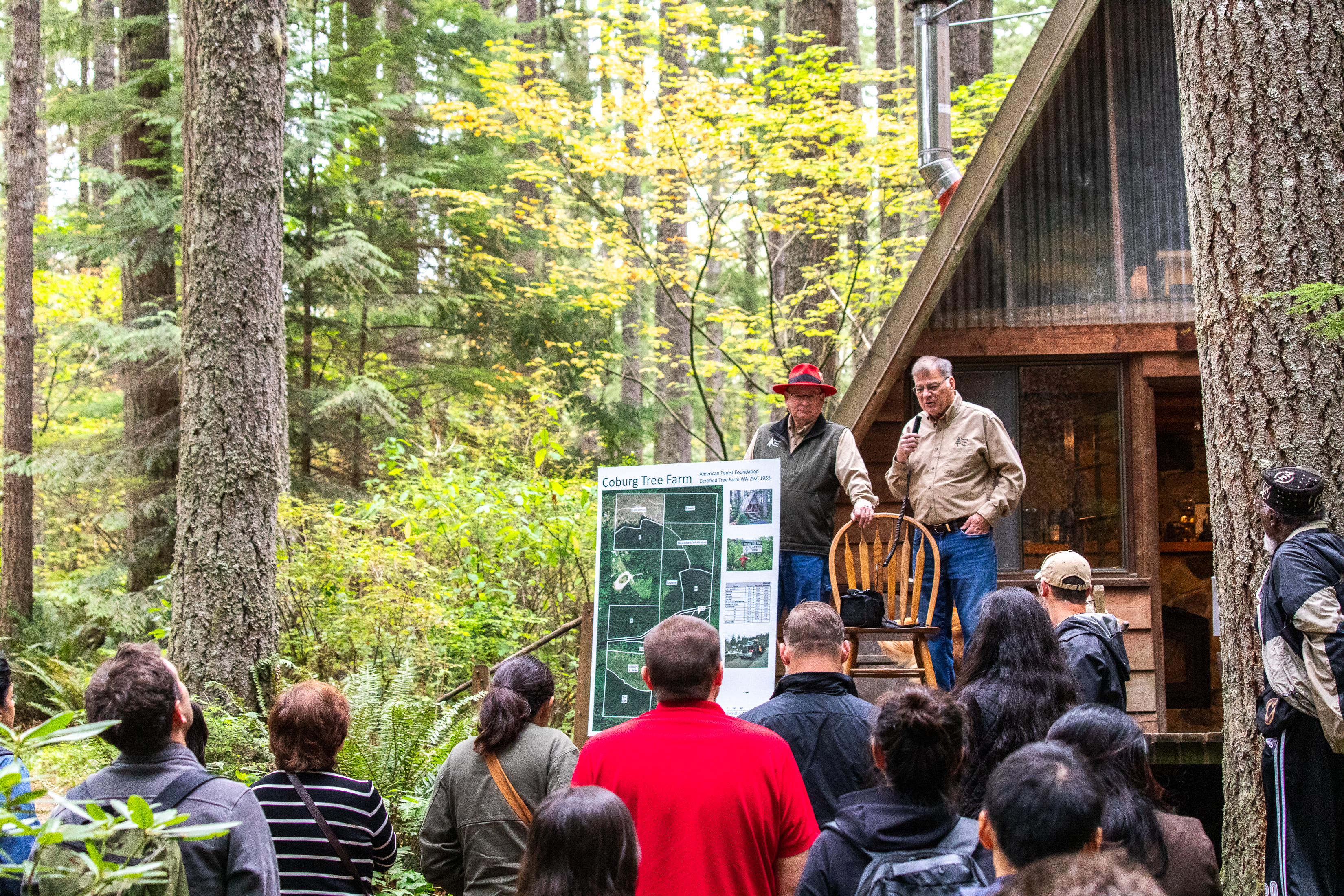
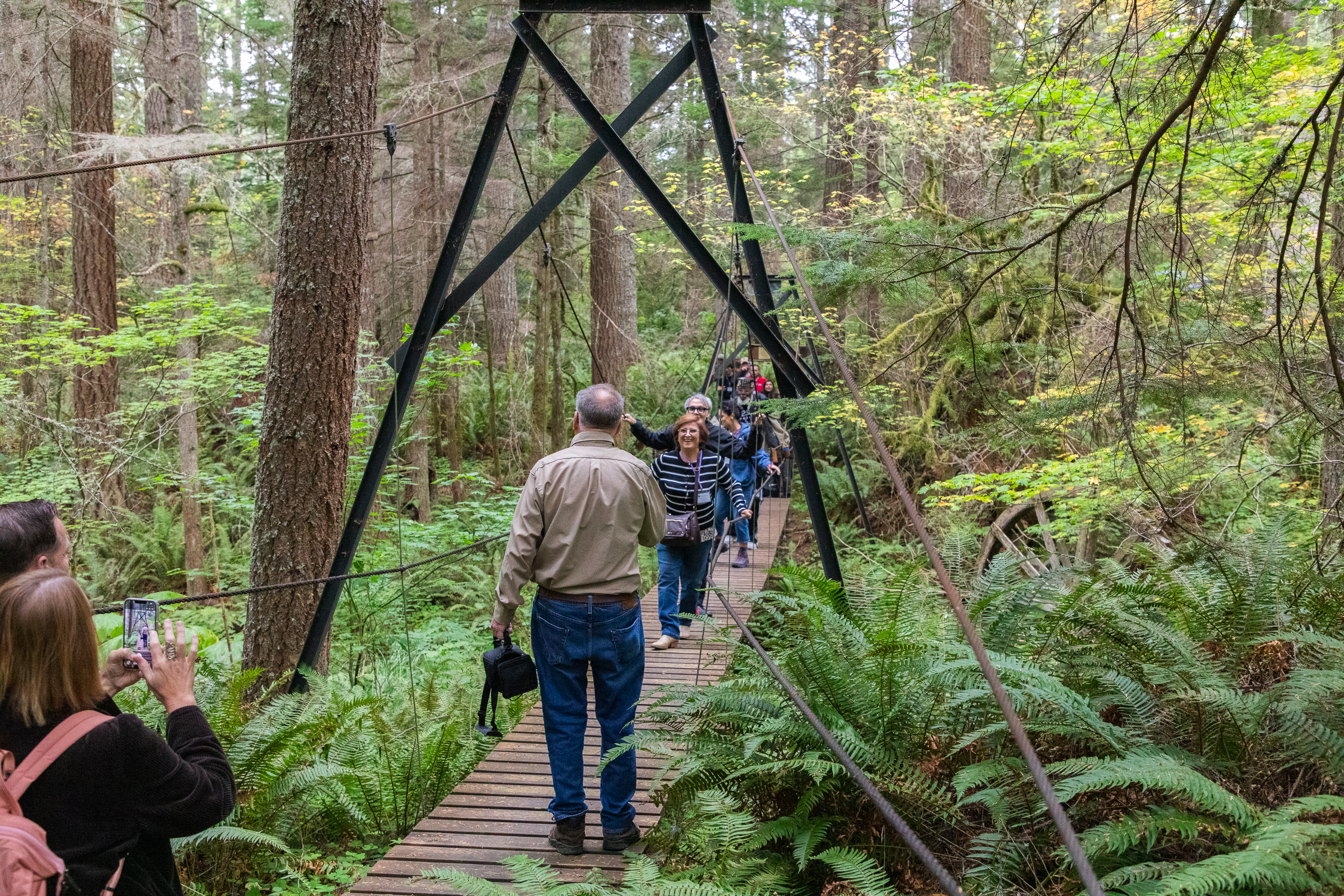
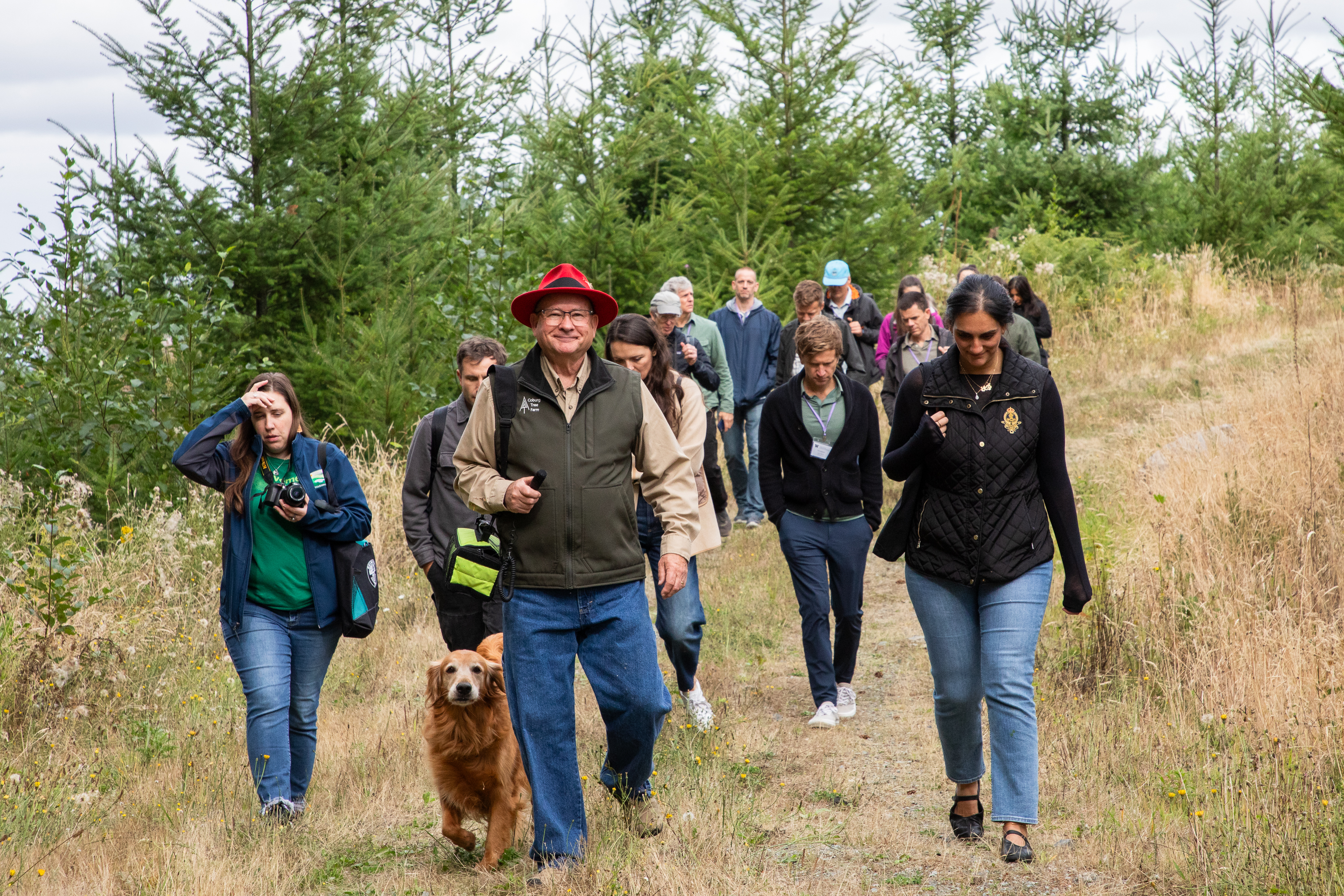
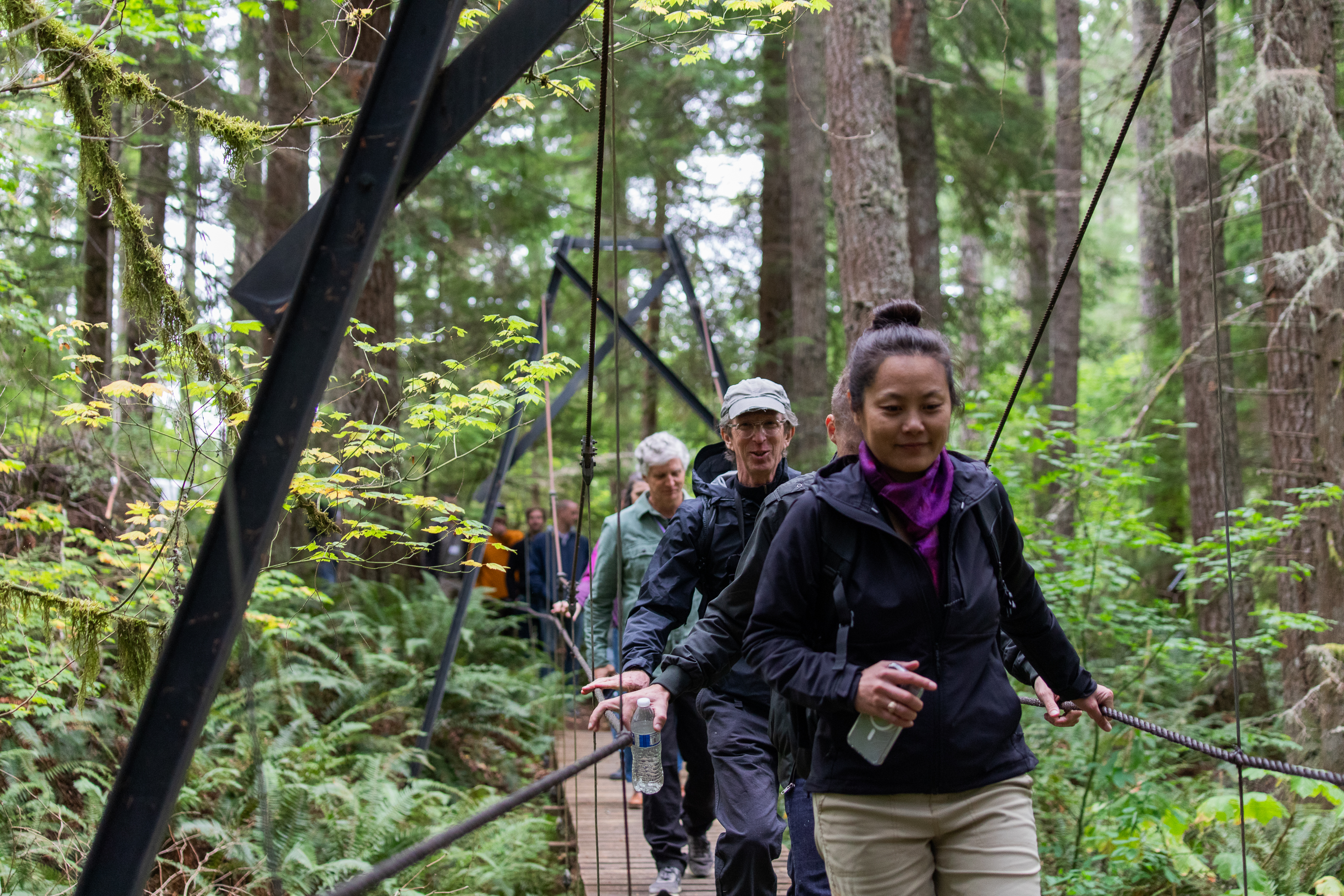
On a misty Friday in September, a bus carrying 35 architecture faculty members from institutions around the country left busy Seattle for the forests below Mount Rainier. At Coburg Tree Farm and UW Pack Forest, the group saw where timber grows, where seedlings become trees. At Rainier Veneer, they watched a step in the transformation of those trees into building materials. By Saturday, they were back on the University of Washington campus, touring timber buildings and building scaled timber models by hand.
The September Timber Faculty Development Workshop offered an early example of the Center’s approach. Sponsored by Think Wood, the UW program drew 85 applicants for 35 spots. Participants learned from UW faculty and regional practitioners, toured award-winning mass timber projects Founders Hall and Northlake Commons, visited forests and a mill, and finished with a hands-on design-build exercise.
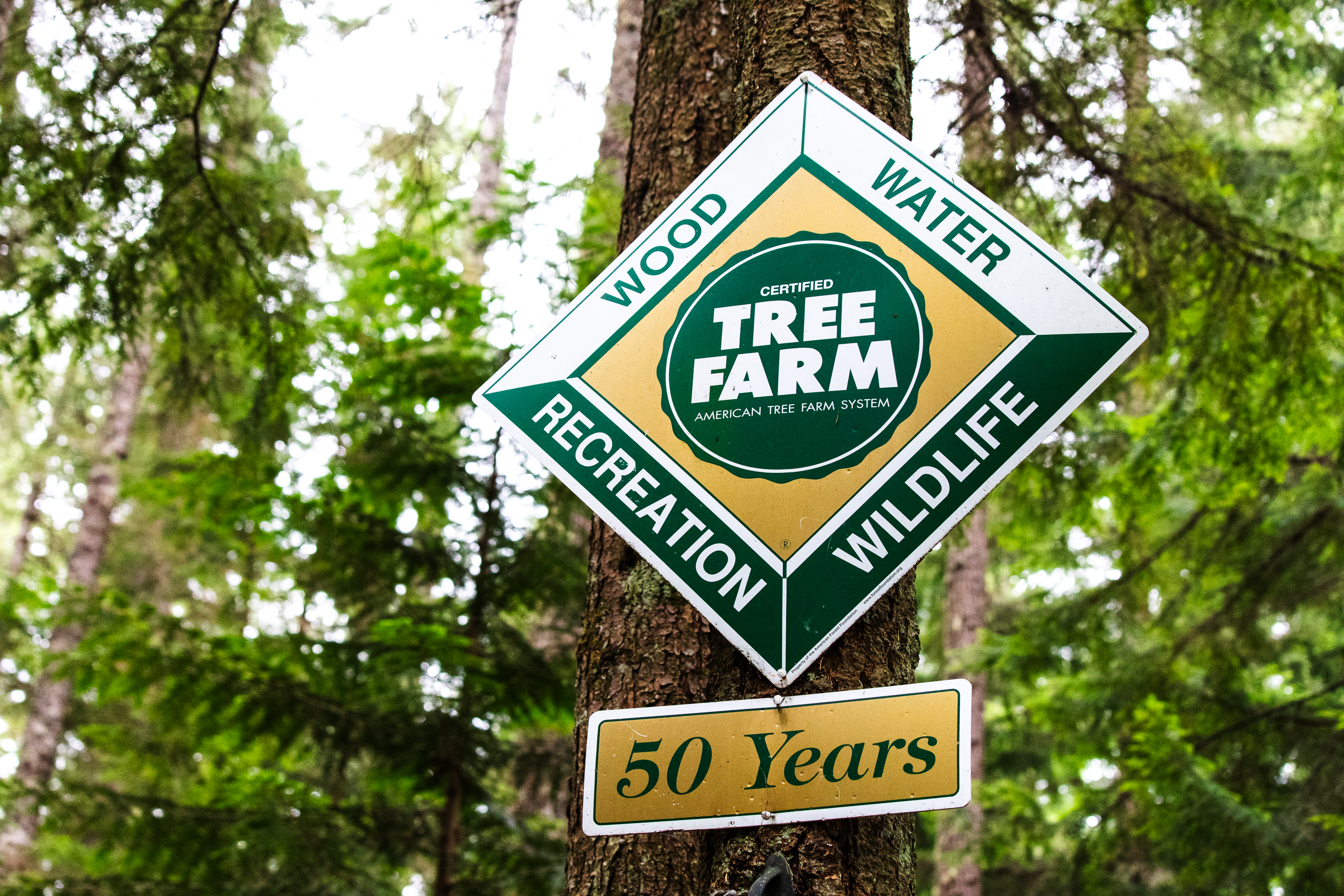
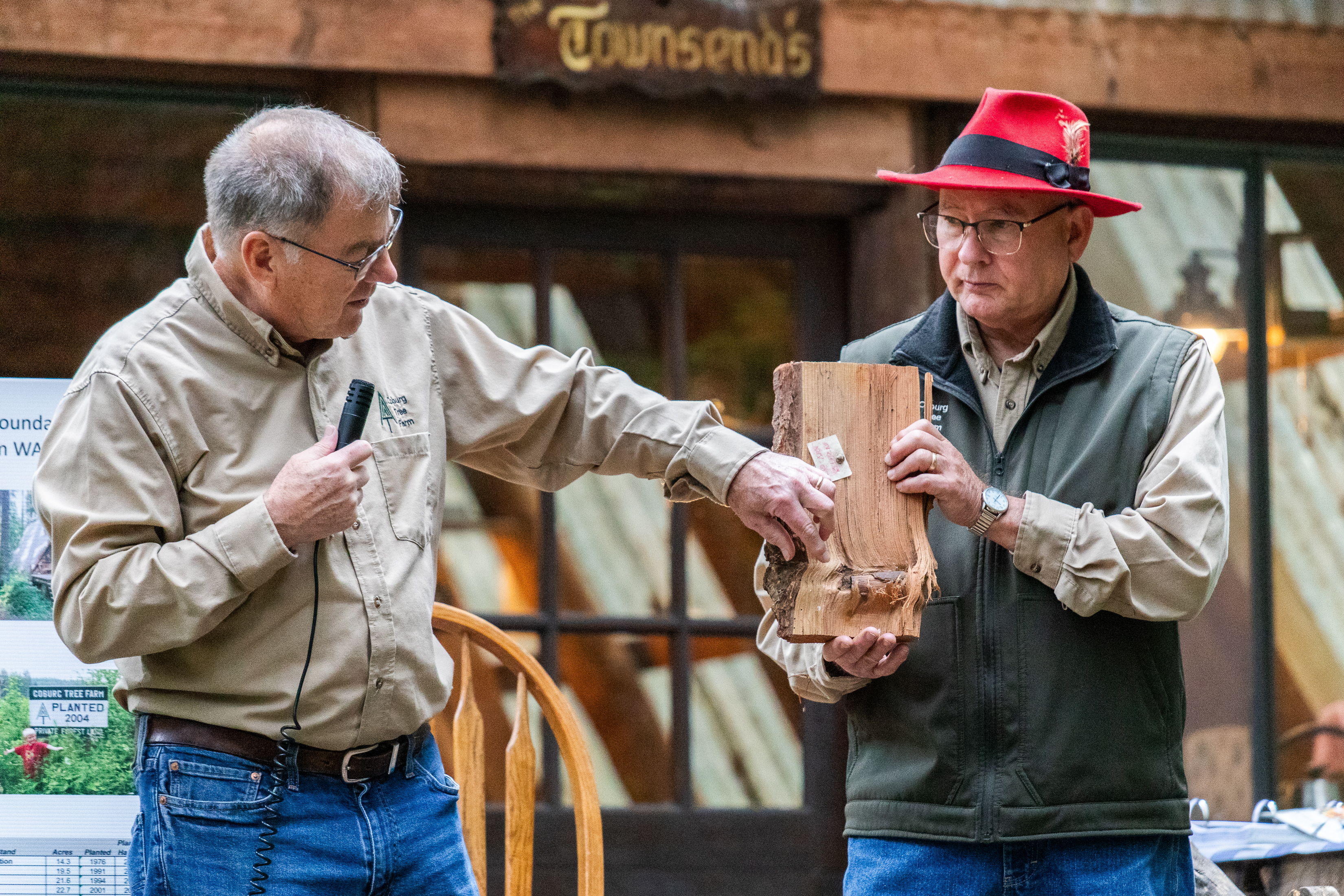
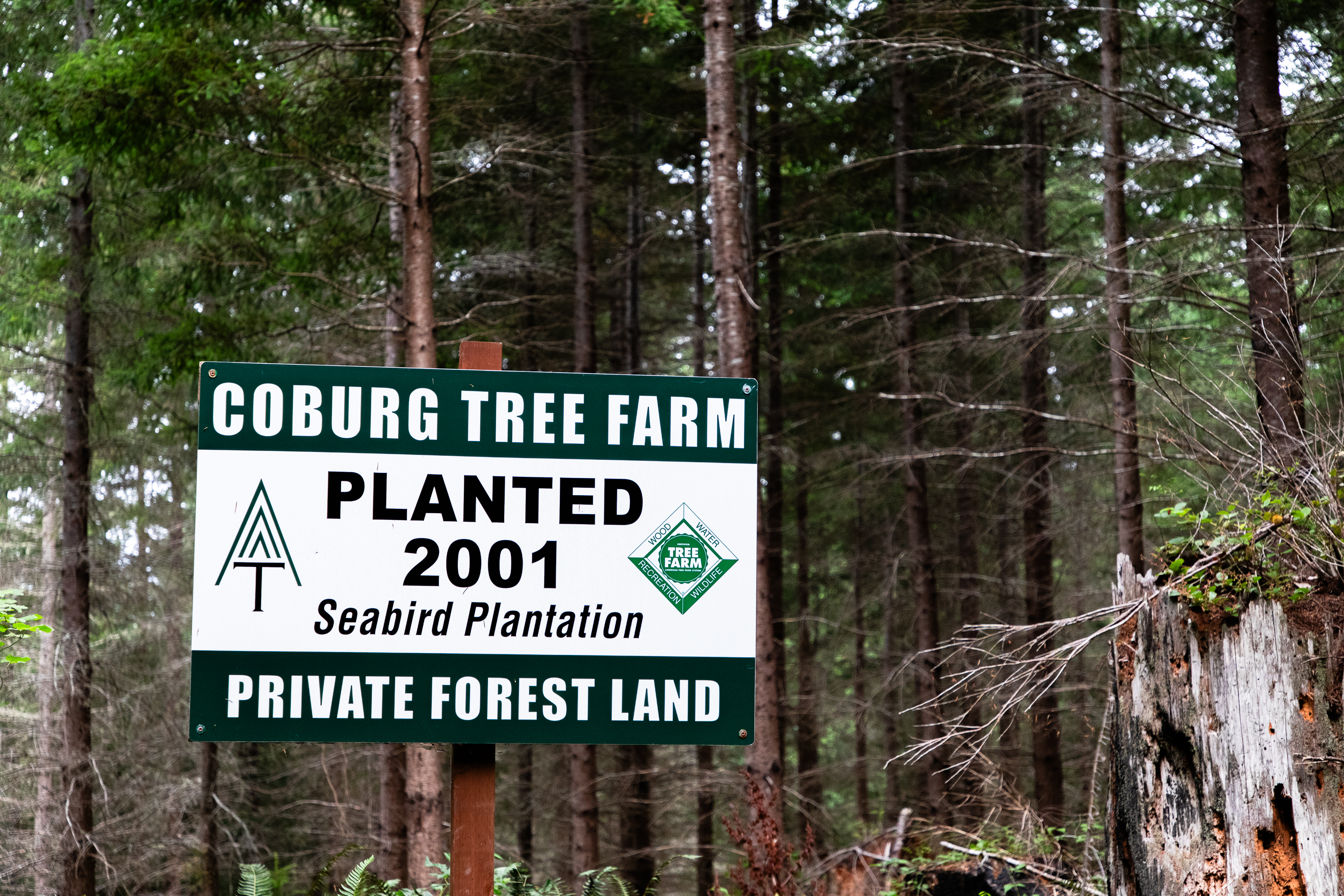
The stop at Coburg Tree Farm made the forest side of the story tangible. The 280-acre property was established in the 1950s and is still managed by the Townsend family with long-term goals for timber, wildlife, water and forestry education. The farm uses staggered harvests and replanting to help sustain both the forest and the operation across generations. In 2024, Coburg was named National Outstanding Tree Farm of the Year.
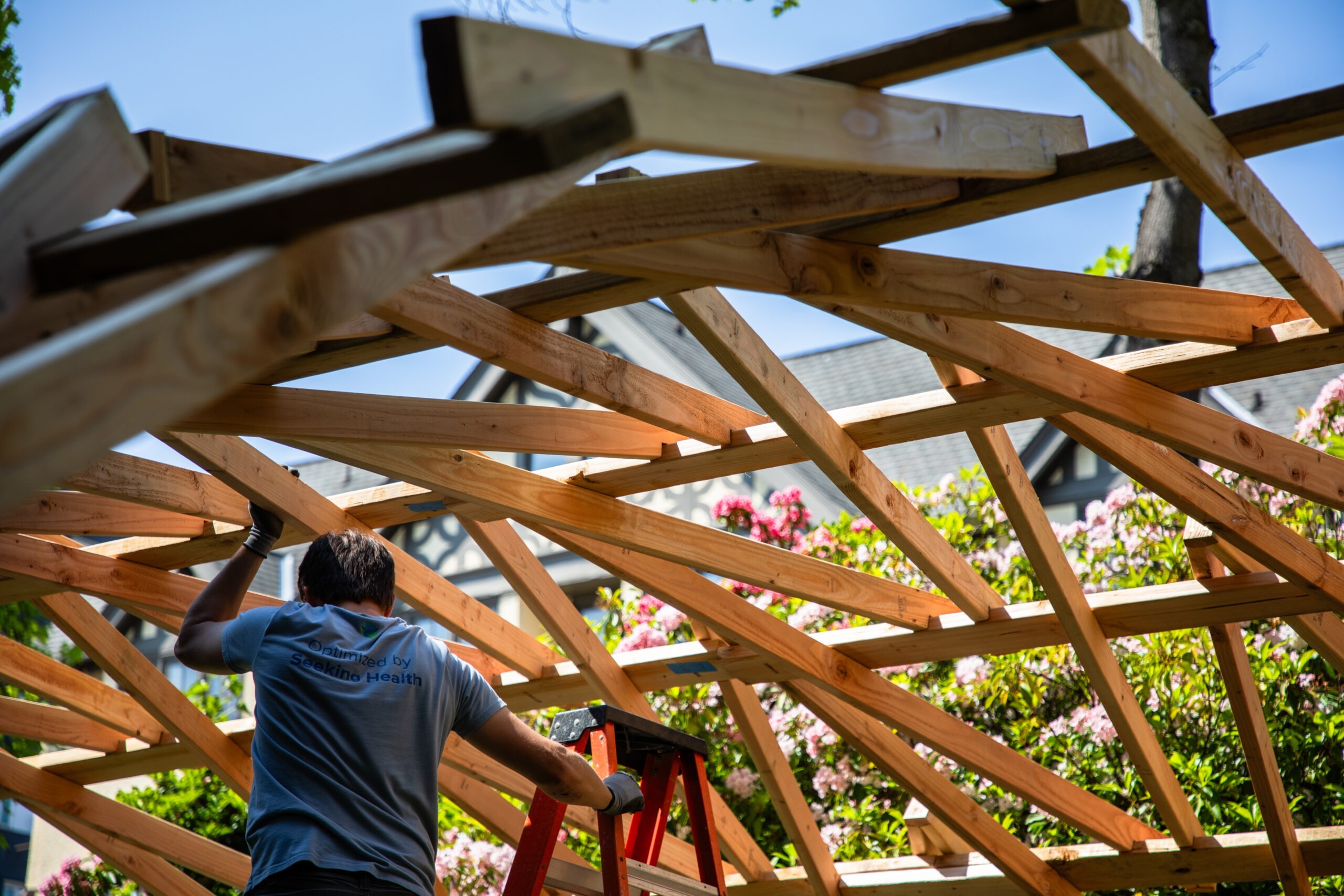
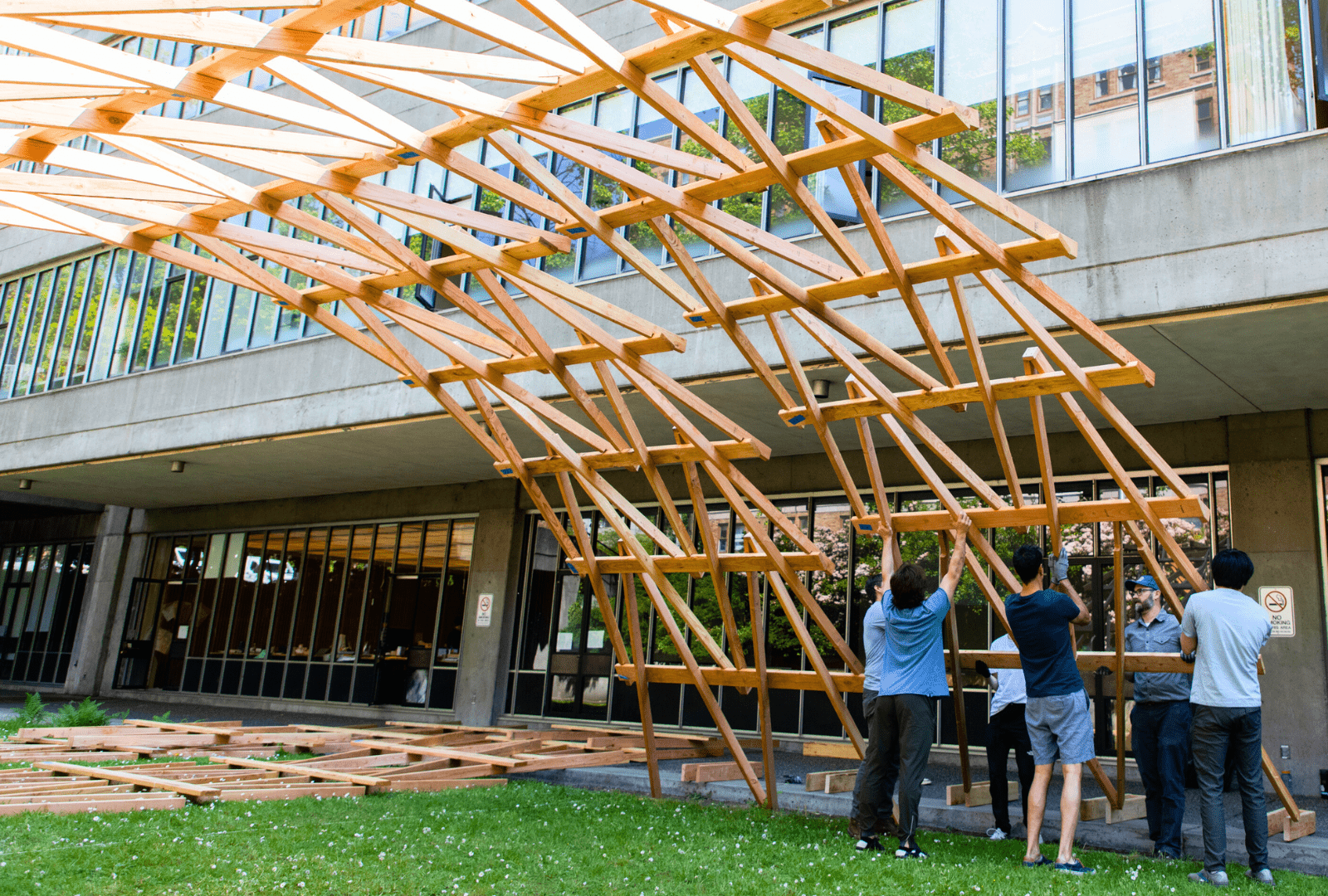
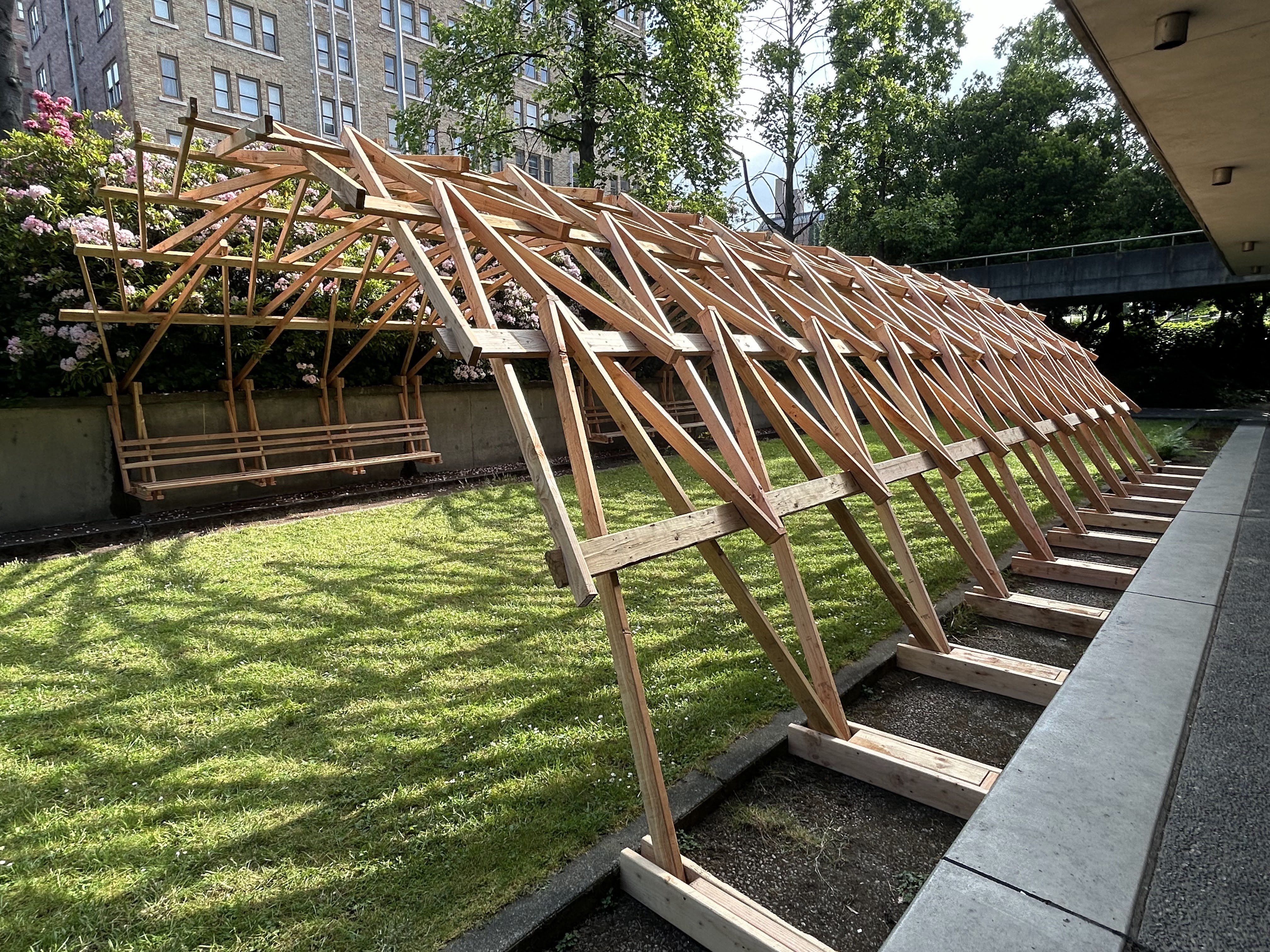
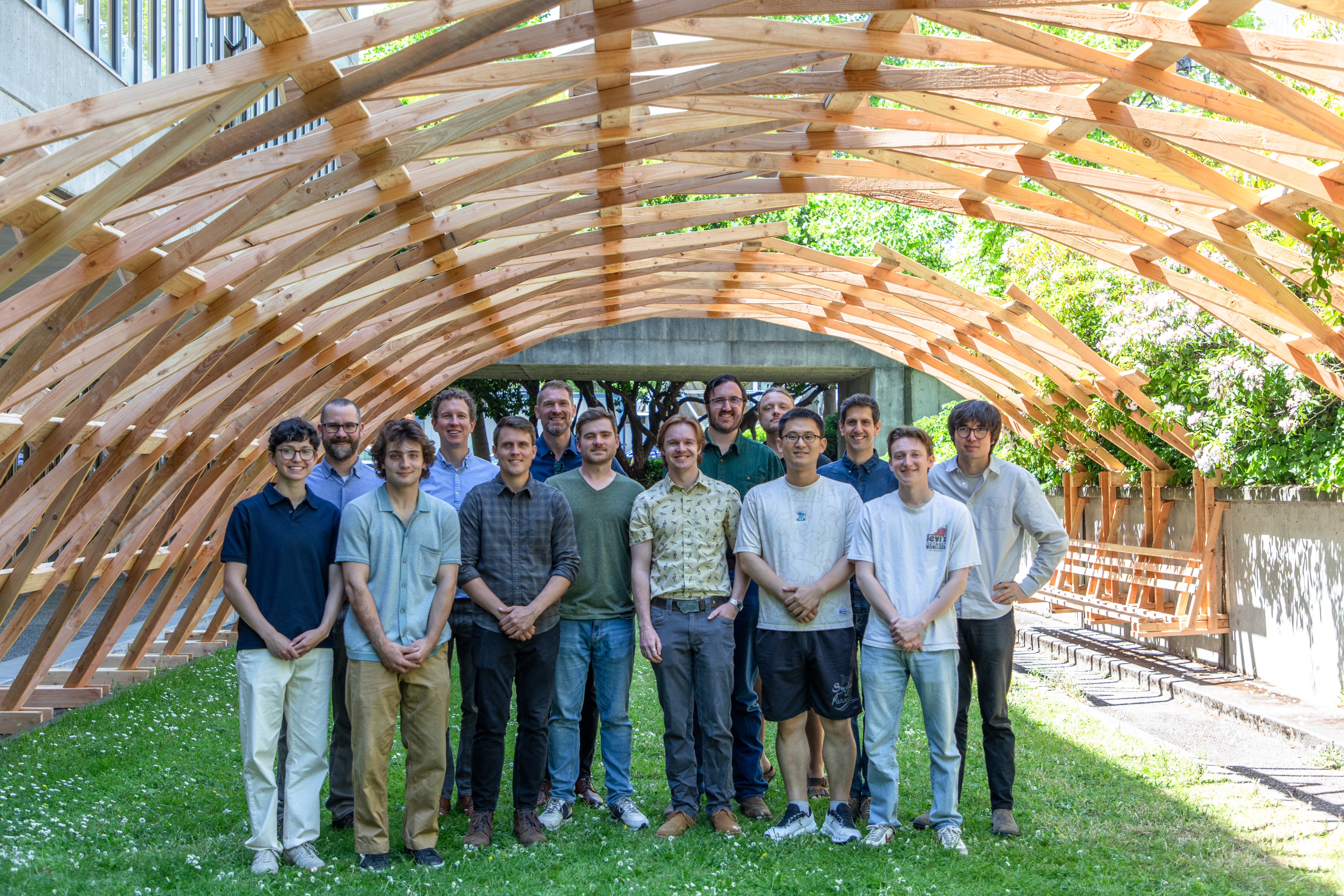
On the UW campus in spring 2025, architecture students assembled an undulating wooden pavilion from interlocking, W-shaped timber modules. Rising more than nine feet and stretching 28 feet across, the structure took shape without scaffolding, each section supporting the next as students worked.
Called Timber Wave, the project was designed and built by graduate students in the 2025 Barry Onouye Endowed Studio, led by Tyler Sprague in partnership with structural engineer-builder firm StructureCraft. Made from donated Washington-grown Douglas fir and hemlock, the pavilion used minimal cuts and removable screws, allowing the lumber to be disassembled and reused.
For the Center, projects like Timber Wave show what students gain when they work directly with materials, test structural ideas and learn alongside practicing engineers and fabricators. Tyler Sprague, associate professor of architecture at UW and faculty director of the Center, sees hands-on learning as essential to preparing the next generation of designers.
“There’s something that happens when students actually start building. They discover things about the material that they wouldn’t learn from drawings or computer models alone. We want them to understand how timber works, where it comes from and what their choices mean beyond the building itself. That’s the kind of thinking we hope they’ll carry into their careers.”
Meanwhile, the College of Built Environments’ Fabrication Lab is dedicating space for larger timber prototypes. Students and researchers will be able to investigate a variety of timber assemblies and explore material performance through physical experimentation, moving from smaller-scale projects toward building-scale applications.
The lessons learned on campus are closely tied to decisions made in forests, mills and fabrication shops across the region.
For family forest owners like the Townsends, maintaining healthy, productive forests requires long-term planning and viable markets for timber. For designers and builders, understanding those connections can lead to more responsible choices about the materials they use.
Through research and partnerships with forest owners, Tribal communities, timber producers, manufacturers and design professionals, the Center will explore how new uses for responsibly sourced wood can support forest restoration, strengthen regional economies and reduce the environmental impact of construction.
The new Washington Timber Forum will provide an ongoing opportunity for leaders on all sides of the timber ecosystem to share practical challenges and help inform the Center’s research and educational priorities.
Buildings constructed today will shape communities and environmental impacts for decades, while decisions about forest management will influence the health and resilience of regional landscapes for generations. The Center’s work brings those concerns into the same conversation, connecting the people who manage and produce timber with those who research, design and build with it.
By connecting students with the people and places behind the materials they use, the Center aims to prepare a new generation of professionals to make more informed choices about how we build and what those choices mean for the world around us.
Learn more about the Center for Timber Innovation and opportunities to get involved at timber.be.uw.edu.