
Posted on December 19, 2025
Post categories: Faculty In the Media Landscape Architecture
In a culture that often treats productivity as a measure of worth, Daniel Winterbottom, professor of landscape architecture at the University of Washington (UW), emphasizes the importance of leisure as a foundation for cognitive health. His work explores how designed landscapes can support rest, recovery and renewed focus.
Winterbottom designs healing gardens and play environments using the concept of “soft fascination,” which gently engages the mind through natural elements such as plants, flowers and wildlife. These environments allow attention to wander without becoming overstimulated.
Winterbottom also questions how leisure is commonly understood, particularly during unstructured time. While leading design-build study abroad programs, he has observed students defaulting to screens rather than engaging with the physical world around them. “They aren’t doing something that someone else wants them to do, and they interpret that as part of freedom,” he says. “But leisure felt like it was about exploring things beyond the classroom and building on one’s curiosity with the physical world.”
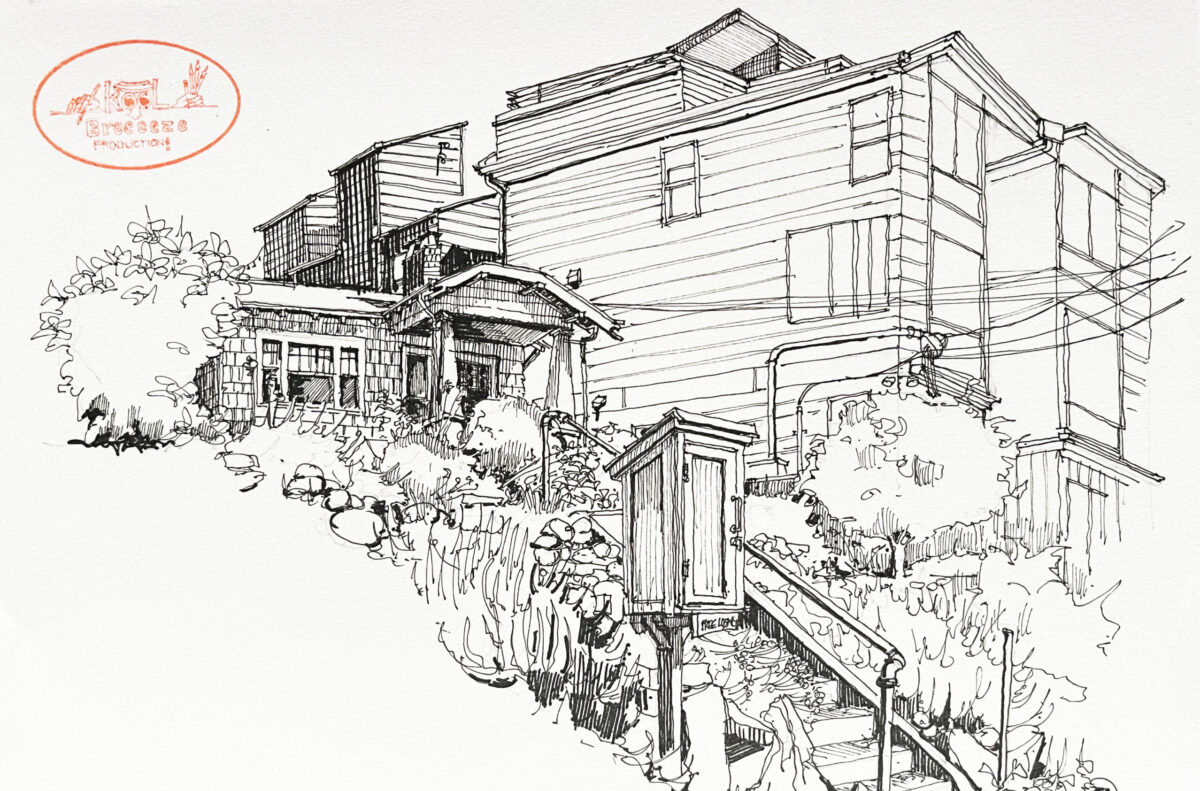
During the pandemic, Winterbottom turned to urban sketching as a personal leisure practice. “There’s a difference between leisure and aimlessness,” he says. “Leisure can open doors to new perspectives and experiences.”