
Posted on April 13, 2026
Post categories: Landscape Architecture News Research
The Landscape Architecture Foundation (LAF) recently featured Rainier Beach Urban Farm and Wetlands – a research project from the Department of Landscape Architecture – in their Landscape Performance Series. This award-winning publication highlights insights from over 210 professional and academic projects that promote the understanding and collective capacity of the ability to attain environmental, social and economic sustainability through landscape architecture.
Led by Assistant Teaching Professor and Undergraduate Program Director of Landscape Architecture Vincent Javet and Graduate Student Piper Sallquist (MLA ‘26), this case study showcases the success of a collaborative effort between the landscape architects and community partners in Rainier Beach to restore a wetland and transform a former City of Seattle plant nursery into a public working urban farm.
“One of the most important things we can do as designers is return to our built work and study it critically to understand not just what worked or didn’t, but why,” explains Vincent. “These projects don’t end at construction; they continue to teach us.”
The Friends of Rainier Beach Urban Farm and Wetlands and Tilth Alliance, a nonprofit organization dedicated to justice-centered agricultural education, initiated the redesign of the site, partnering with landscape architecture firm Berger Partnership as the prime consultant.
Working with landscape architects, contractors, engineers and architects, they completed the site restoration in 2018, which now hosts community events and multi-generational educational opportunities centered around sustainable, culturally-relevant agricultural practices, nutrition, cooking, and wetland habitat preservation strategies. Managed by Tilth Alliance, the site includes a classroom, farm stand, working kitchen and greenhouse buildings while also providing habitat, shade and stormwater management.
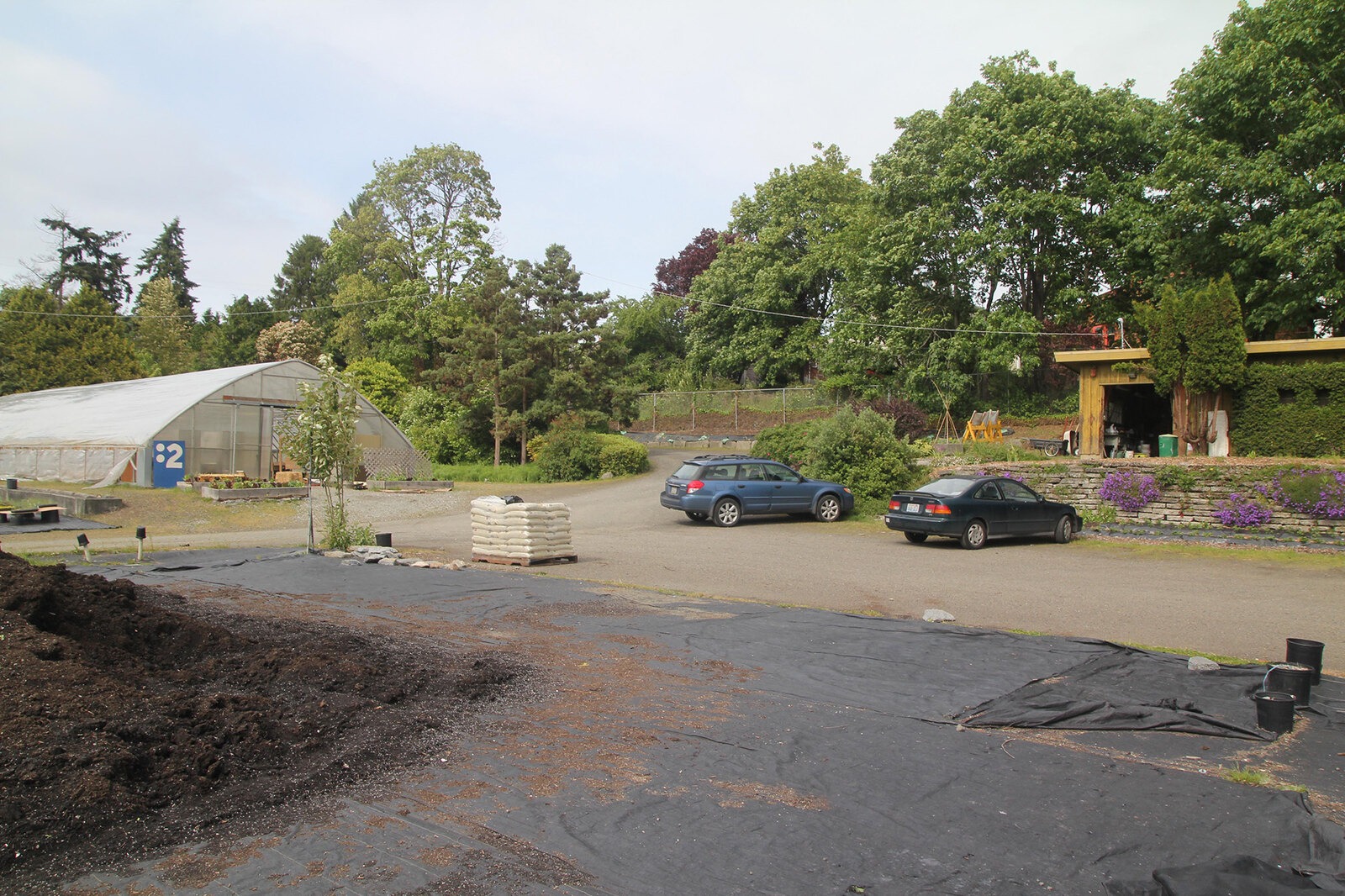
Before: The site was previously an 11-acre nursery operated by Seattle Parks and Recreation located near a public park and the shores of Lake Washington. Photo: Berger Partnership
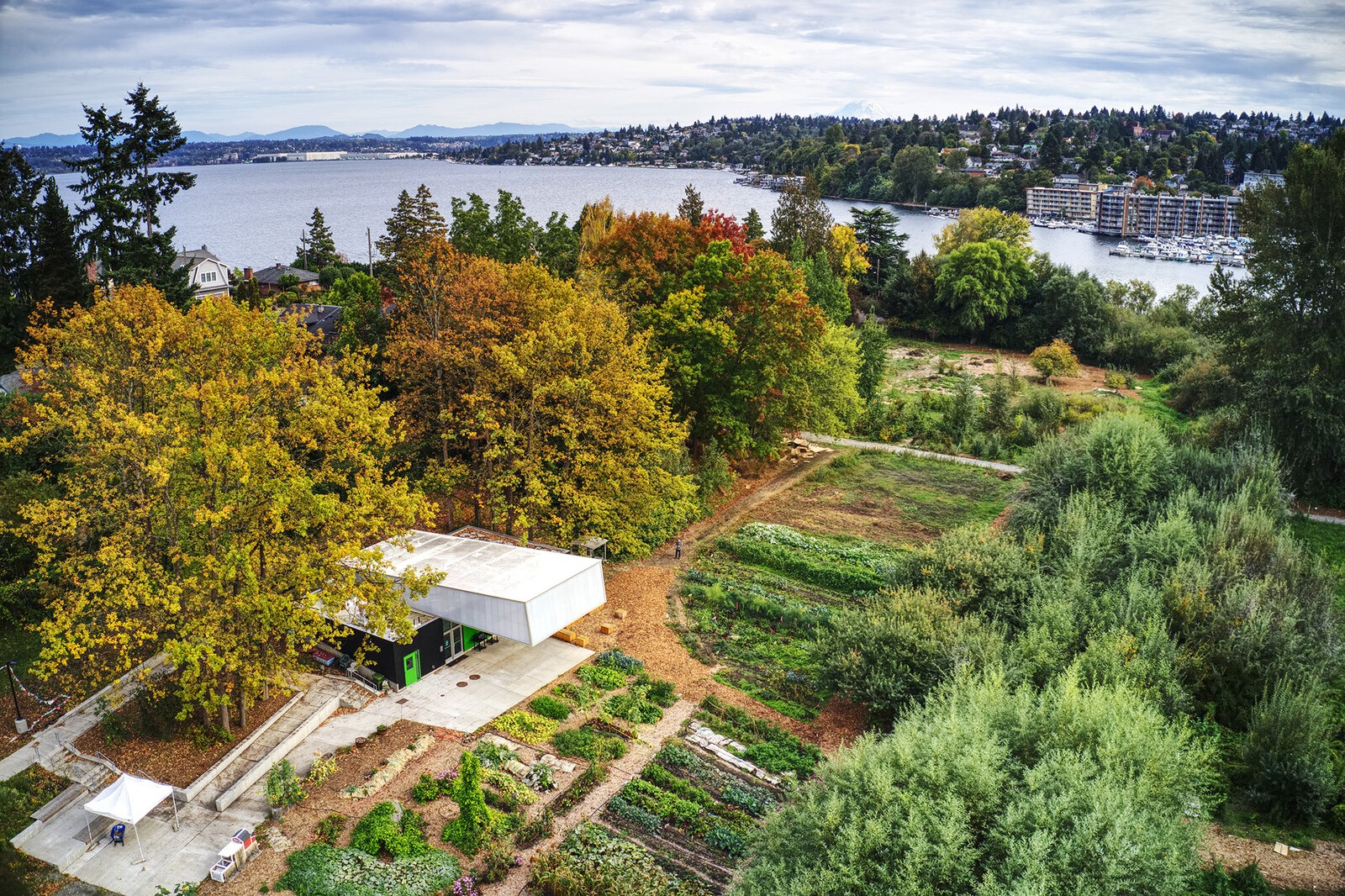
After: Rainier Beach Urban Farm and Wetland is now one of the nation’s first nonprofit-managed public working urban farms. Photo: Built Work Photography, 2019
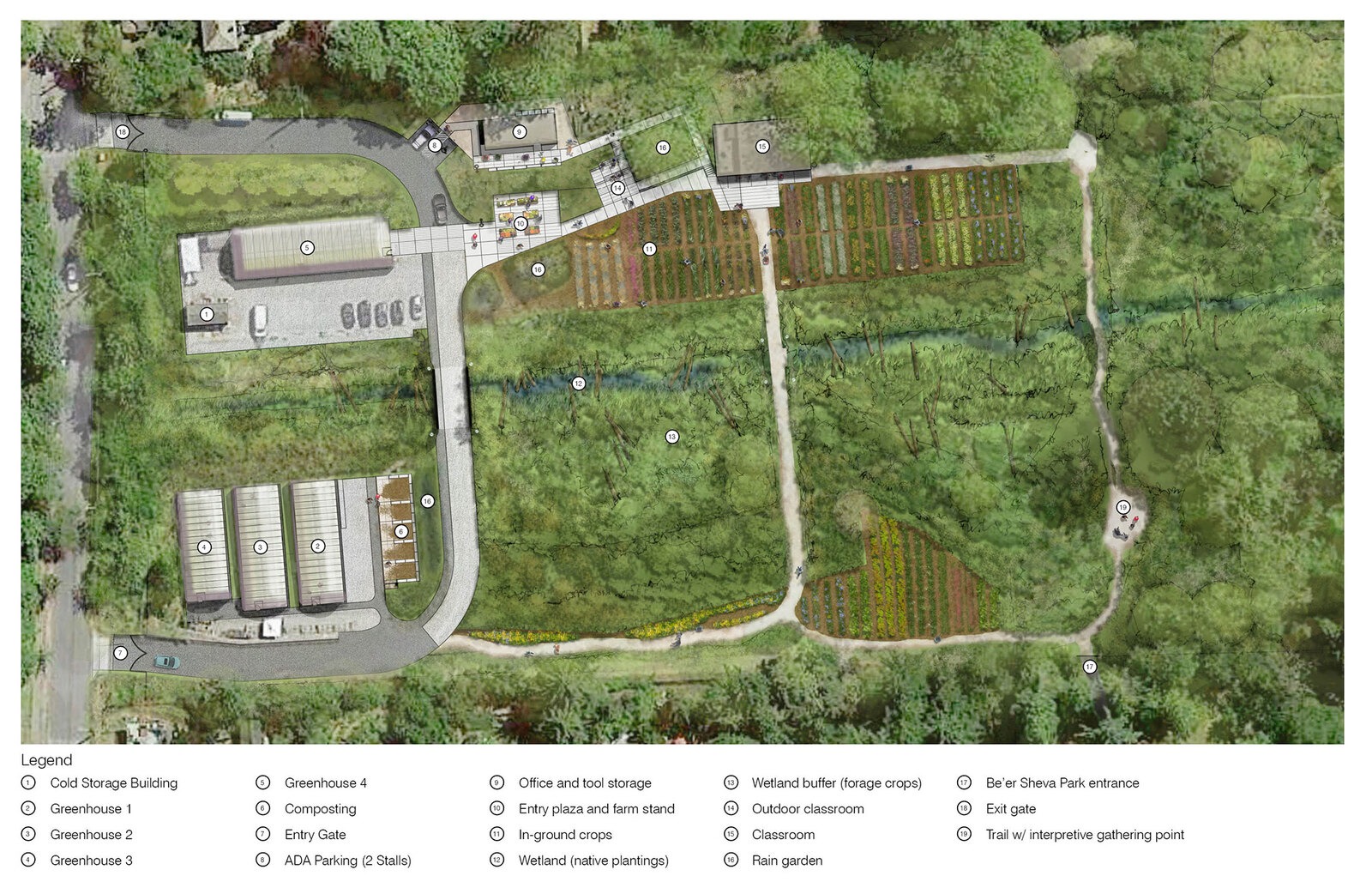
The site plan shows the key cultivation and community engagement areas and wetland spine running through the site. Photo: Berger Partnership
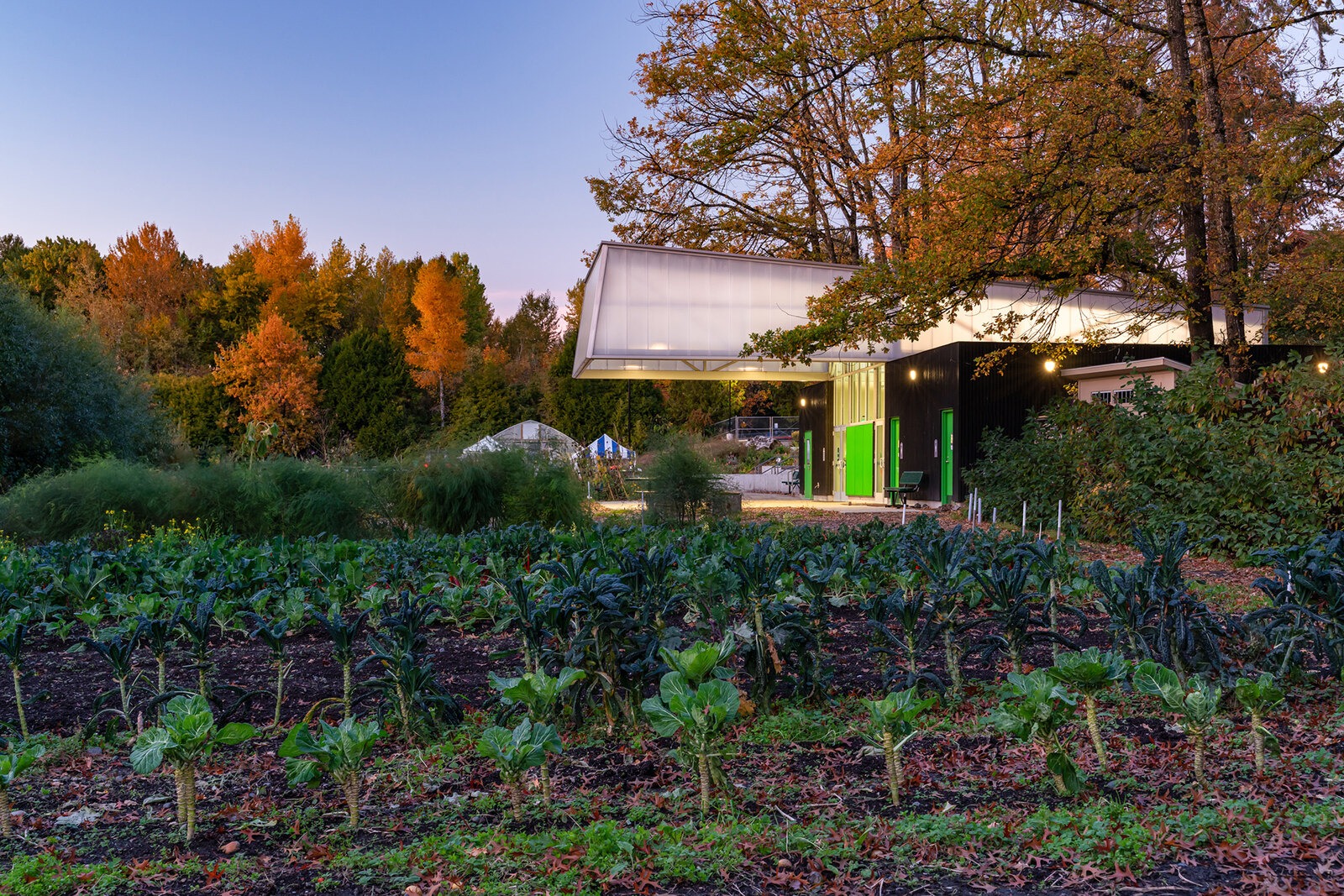
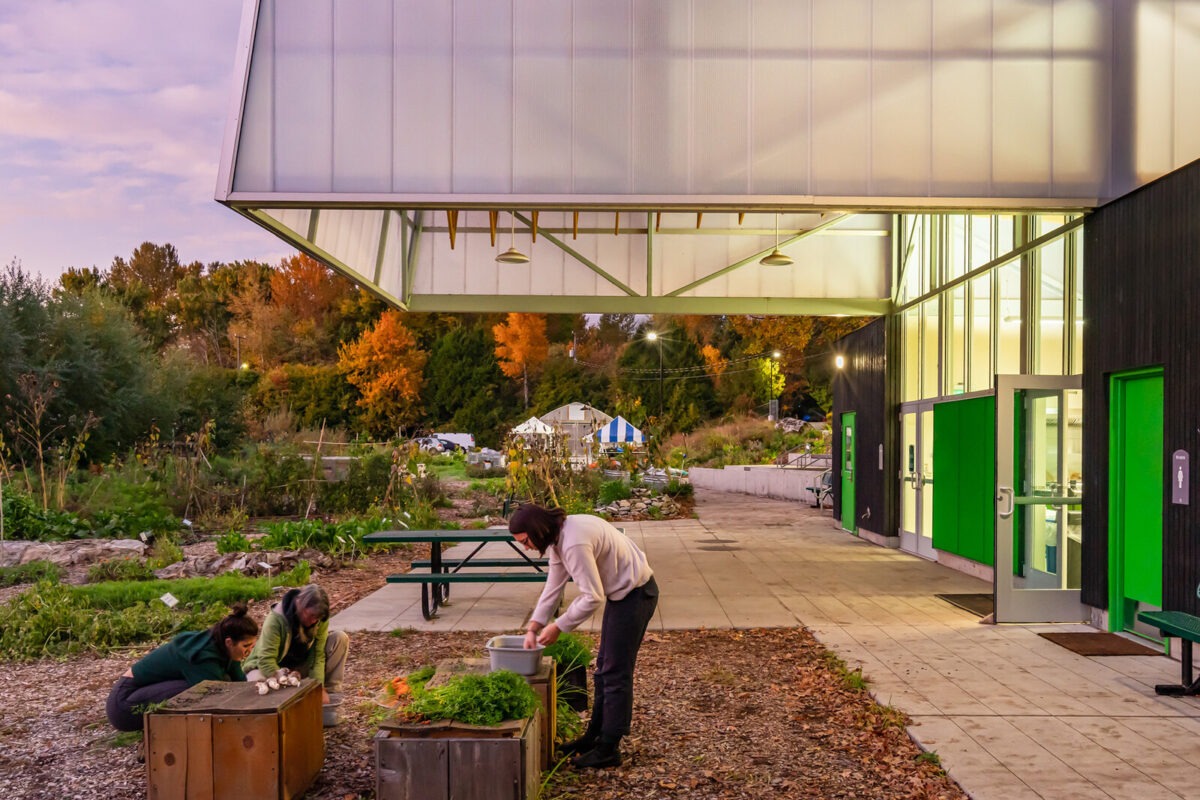
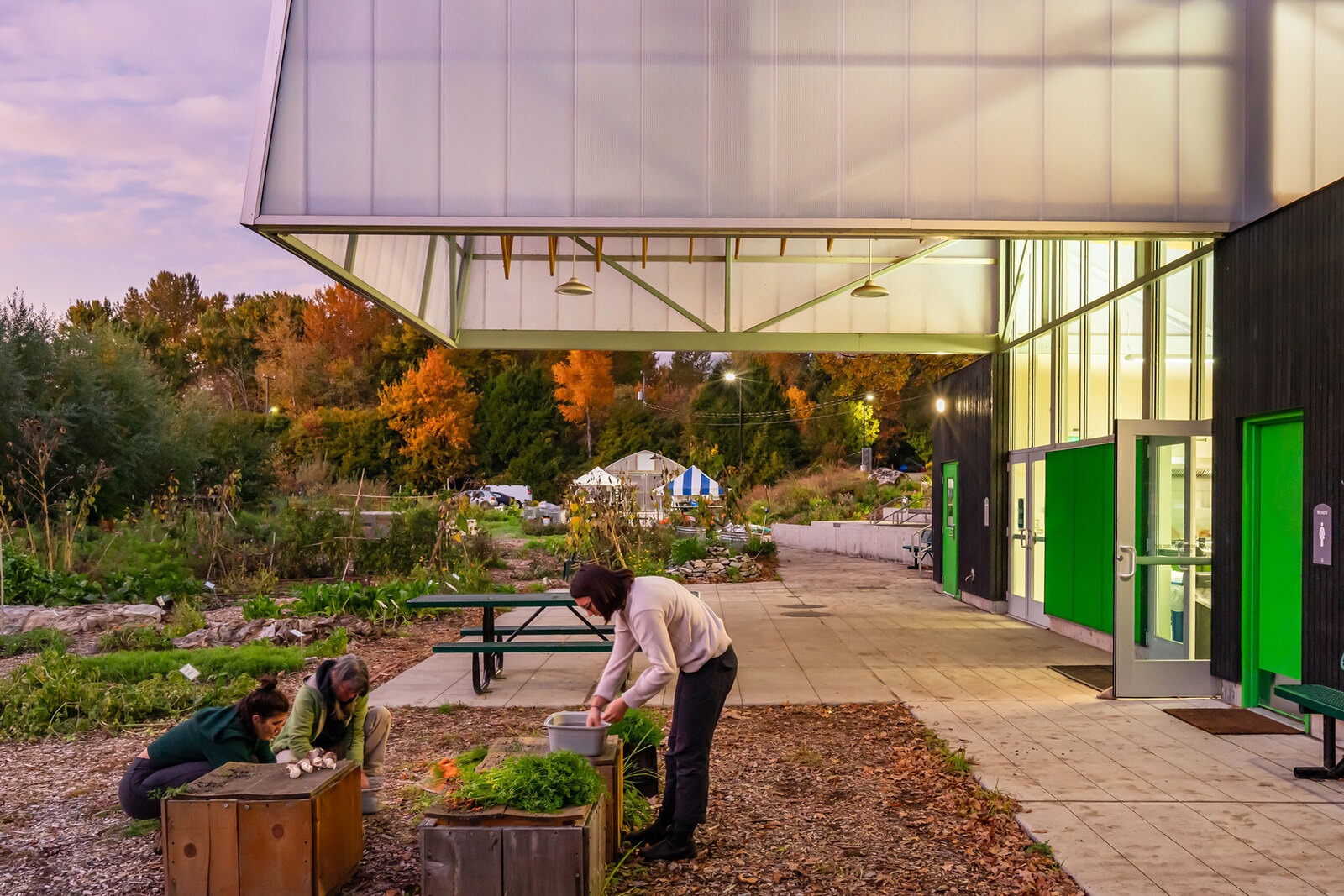
A welcoming, glowing lantern at the heart of the project, building lighting integrates safety and function. Careful fixture section and pedestrian-scaled lighting ensured minimal impact to neighbors while highlighting key circulation areas within the farm. Photo: Built Work Photography
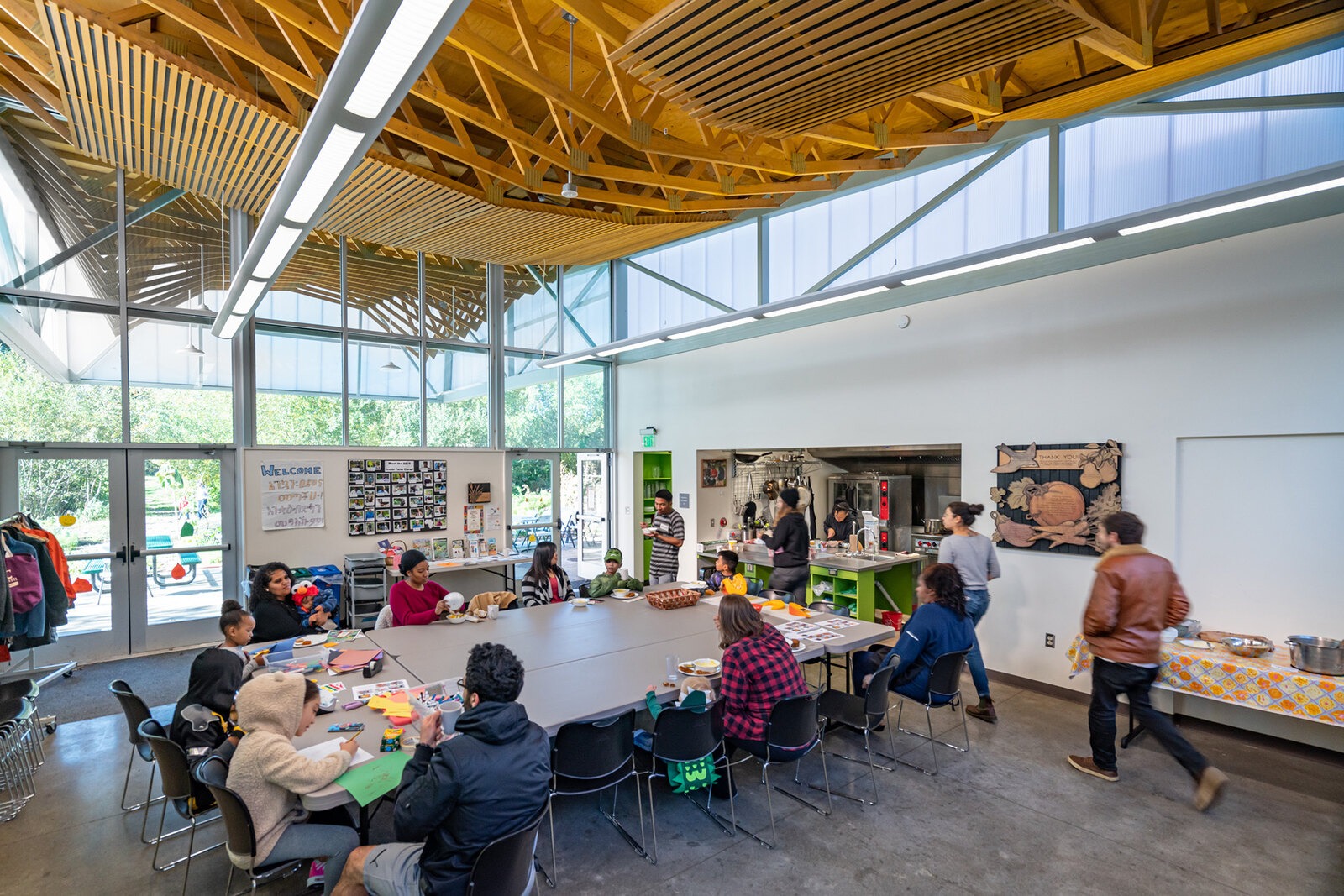
Large and flexible in design, the building’s easily maintained, polished concrete floor extends into the terrace beyond. The truss system maximizes open space inexpensively while translucent panels provide ample daylight with a nod to a common greenhouse material. Photo: Built Work Photography
Looking back at the work on the site, Vincent says, “What was particularly compelling about this project was the open-endedness intentionally built into it, the capacity for the site to be claimed, modified, and adapted by the people who use it. In that sense, it operates as a framework for a design that is never complete.“
The impact of this case study brief was assessed and documented through LAF’s innovative Case Study Investigation (CSI) program, a unique research collaboration among faculty researchers, designers and students. Vincent emphasizes, “By documenting and analyzing its performance, we can better articulate the public benefits of landscape architecture and strengthen the case for its broader social, environmental, and economic value.”
Read more about the Rainier Beach Urban Farm and Wetlands study brief on LAF’s website.